Cities as Living Heritage
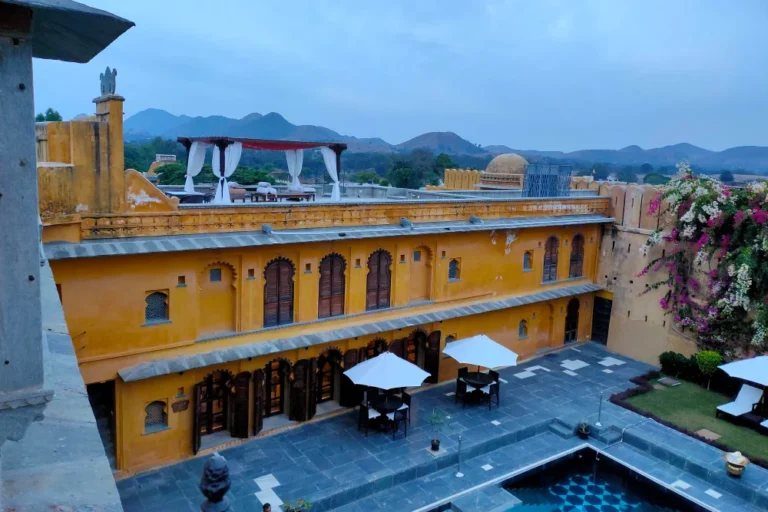
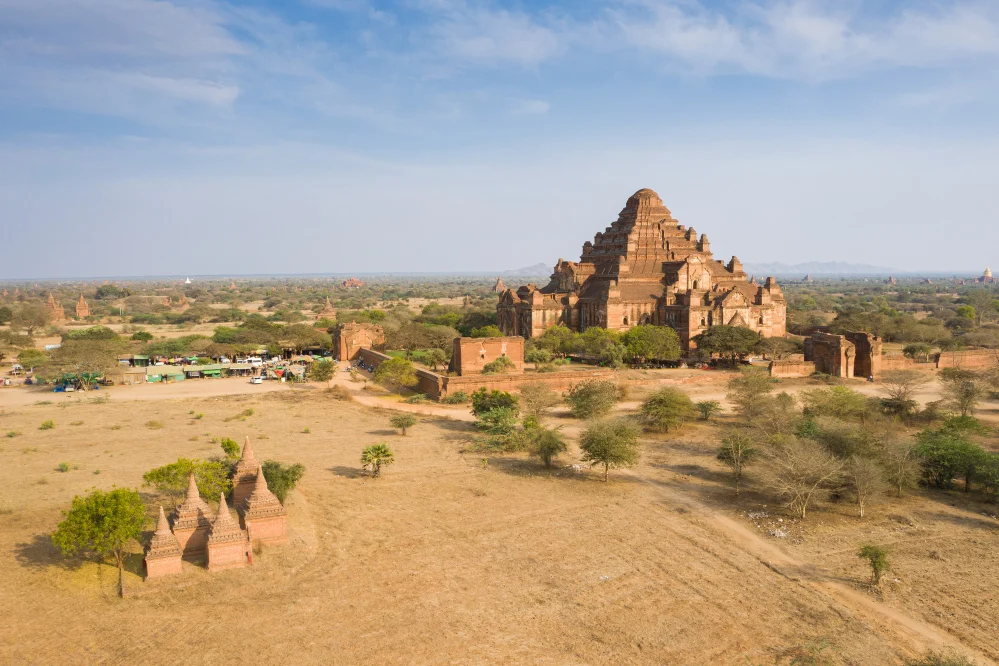
When people think of heritage, the mind often leaps to monuments, a grand fort, a temple, or a palace. But heritage is much more than isolated landmarks. It lives in entire cities and landscapes, in the way streets are laid out, in traditional markets, in sacred water bodies, and in the intangible traditions that give places their soul.
India, with its 5,000+ years of urban history, has countless historic cities, from Mathura to Varanasi, from Jaipur to Bikaner. These places are not frozen in time; they are alive with residents, pilgrims, traders, and tourists. To safeguard such complex environments, we need more than conservation of individual monuments. We need Heritage Management Plans (HMPs), structured strategies that ensure historic cities can grow sustainably while protecting their cultural identity.
What Is a Heritage Management Plan?
A Heritage Management Plan (HMP) is a comprehensive framework that guides how cultural assets are conserved, developed, and integrated into contemporary life. It moves beyond preservation and answers bigger questions:
- How do we balance conservation with modern infrastructure?
- How do residents, pilgrims, and tourists coexist without overwhelming heritage areas?
- How can cultural assets fuel sustainable economic growth?
- What systems ensure accountability for the future?
In short, an HMP ensures that heritage is not treated as a burden, but as a driver of development.
Why Historic Cities Need Management Plans
1. Urban Growth vs. Heritage Protection
Historic cities are expanding rapidly. Metro lines, highways, and housing projects often clash with fragile cultural landscapes. An HMP provides guidelines to integrate new development without erasing heritage.
2. Tourism Pressures
Sites like Varanasi or Hampi attract millions of visitors annually. Without management, tourism can degrade the very assets people come to see. HMPs introduce visitor management systems, carrying capacity studies, and sustainable tourism plans.
3. Intangible Heritage at Risk
Cities are not just stone and mortar; they are also traditions, crafts, rituals, and festivals. Management plans recognize and support intangible heritage, ensuring communities remain active stakeholders.
4. Climate & Environmental Challenges
Many heritage cities are located near rivers, lakes, or fragile landscapes. Flooding, pollution, and climate change pose risks. HMPs include disaster risk management, water systems conservation, and environmental safeguards.
5. Economic Sustainability
When heritage is managed well, it becomes an economic asset. Craftspeople, tour operators, local businesses, and hospitality all thrive under a system where cultural heritage is celebrated and responsibly used.
Case Study: The Braj Region (Mathura Vrindavan)
One of the best examples of heritage management in India is the Braj Region Heritage Action Plan, prepared in collaboration with Built Heritage Conservation Architects (BHCA).
Scope of Work
The plan encompassed over 800 historic structures across the Mathura district, including temples, havelis, samadhis, stepwells, and sacred landscapes associated with Lord Krishna’s mythology.
Key Features of the Plan
- Mapping & Documentation – Detailed surveys of structures, sacred groves, water bodies, and intangible practices.
- Integrated Development Vision – Combining heritage conservation with infrastructure upgrades such as roads, utilities, and public amenities.
- Community-Centric Approach – Working with priests, pilgrims, artisans, and residents to align development with cultural values.
- Tourism Strategy – Improving pilgrimage routes (84 Kos Yatra), creating visitor facilities, and promoting sustainable tourism.
- Environmental Safeguards – Conserving water bodies like kunds and sarovars, protecting them from encroachment and pollution.
Impact
The Braj plan demonstrated how heritage can be positioned as the pillar of sustainable growth. Instead of treating Mathura–Vrindavan as overburdened pilgrimage towns, the plan reimagined them as living cultural landscapes with global significance.
World Heritage Sites and Global Best Practices
Heritage Management Plans are not just local exercises; they are global standards. UNESCO requires management plans for World Heritage Sites to ensure Outstanding Universal Value (OUV) is preserved.
Examples include:
- Angkor, Cambodia – Integrated zoning, tourism management, and community engagement.
- Edinburgh, UK – A city-wide management plan balancing historic preservation with modern living.
- Jaipur, India – The World Heritage nomination dossier included a comprehensive management plan prepared with expert inputs.
BHCA has contributed to several such efforts, including management plans and nomination dossiers for Preah Vihear and Koh Ker in Cambodia, and conservation strategies for Indian heritage cities.
Challenges in Implementing HMPs in India
- Fragmented Governance – Heritage often falls between departments: archaeology, urban development, tourism, and culture. Without coordination, plans remain on paper.
- Funding & Capacity – Implementation requires sustained investment, not one-time grants. Skilled professionals in conservation, urban design, and community engagement are limited.
- Community Resistance – In cities with deep religious or cultural roots, development interventions can face resistance unless communities are involved from the start.
- Monitoring & Enforcement – Many plans lack follow-through. Without monitoring, heritage assets continue to be encroached or degraded.
BHCA’s Approach to Heritage Management
At Built Heritage Conservation Architects, we emphasize:
- Interdisciplinary Collaboration – Working with conservation architects, historians, engineers, museologists, and planners.
- Community Integration – Engaging local stakeholders through consultations, workshops, and capacity building.
- Scientific Methods – Using GIS mapping, heritage inventories, and risk assessment tools.
- Policy Alignment – Ensuring management plans integrate into larger urban and regional policies.
The Way Forward: Heritage as a Driver of Development
As India urbanizes, historic cities cannot afford to be left behind or frozen in time. With well-designed Heritage Management Plans, they can:
- Become global tourism destinations while protecting their authenticity.
- Generate livelihoods for artisans, guides, and local businesses.
- Improve the quality of life for residents through upgraded infrastructure.
- Safeguard culture and identity in the face of globalization.
Imagine Varanasi with protected ghats and upgraded public amenities, or Mathura with conserved temples alongside eco-sensitive pilgrimage routes; these visions are achievable with the right frameworks.
Conclusion: Beyond Stones and Structures
Heritage Management Plans are not about locking monuments in glass cases. They are about creating a living balance between past and present.
Historic cities are fragile yet resilient. With thoughtful planning, they can honor tradition while embracing progress. As India looks to the future, heritage management will be the key to ensuring our cities don’t just grow, but grow with soul.
At BHCA, we stand committed to this mission, making heritage not just an artifact of memory but a foundation for sustainable development.