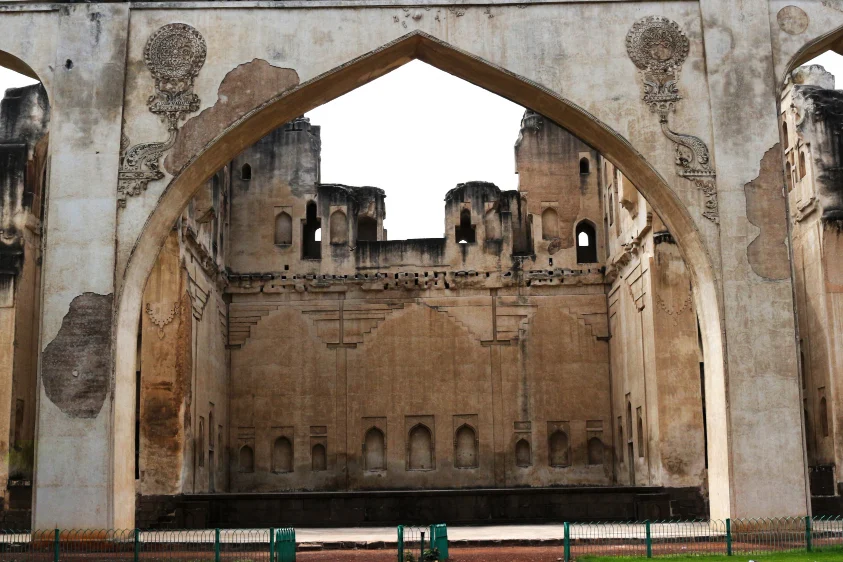
Old Walls, New Lessons
Walk into a centuries-old haveli in Shekhawati, a Mughal mosque in Delhi, or a temple in Rajasthan, and you’ll notice something striking: they have endured generations, monsoons, and even neglect. What gives these structures their resilience? It is not just design genius; it is the materials and methods that built them: lime plaster, stone masonry, hand-crafted woodwork, fresco painting, and water-based natural pigments.
Yet, today, many heritage structures suffer not because of age, but because of inappropriate modern interventions, cement plaster over lime walls, synthetic paints over frescoes, and reinforced concrete where traditional stone vaults once stood. To truly conserve heritage, we must embrace the science of traditional materials while navigating the modern challenges of climate, urbanization, and tourism.
Traditional Materials: The Genius of the Past
1. Lime Plaster and Mortar
- Lime was the backbone of historic construction across India, from forts to stepwells.
- Its porous nature allows walls to “breathe,” preventing moisture damage.
- Lime gains strength slowly, bonding deeply with masonry, unlike brittle cement.
- Frescoes in havelis and palaces are painted over lime plaster, which acts as a natural canvas.
2. Stone Masonry
- Rajasthan’s forts and palaces showcase the durability of sandstone and marble.
- Stone masonry is not just about strength but also aesthetics, jalis, arches, and brackets carved with precision.
- Unlike modern concrete, stone structures can be repaired, replaced, and adapted without losing authenticity.
3. Brick and Terracotta
- From Mughal-era sarais to Punjab’s havelis, hand-molded brickwork was common.
- Combined with lime mortar, brick structures developed flexibility against thermal expansion.
- Terracotta tiles and elements added decorative and functional value.
4. Timber and Joinery
- Wooden beams, carved doors, and intricate ceilings are hallmarks of havelis and temples.
- Traditional joinery relied on interlocking, not nails or adhesives, ensuring longevity.
- When well-maintained, timber elements lasted centuries, gaining patina and character.
5. Natural Pigments and Finishes
- Frescoes, murals, and painted ceilings used natural pigments like indigo, turmeric, red oxide, and lapis lazuli.
- These pigments bonded with lime to produce colors that remain vibrant even today.
Why Modern Interventions Fail
Despite their proven resilience, many heritage sites have been damaged by quick-fix “modern” solutions:
- Cement Over Lime: Cement is rigid and traps moisture, leading to cracks and salt efflorescence.
- Synthetic Paints: They seal walls, suffocating the structure and destroying frescoes.
- Concrete Extensions: New additions in RCC often stress historic foundations not designed for such loads.
- Chemical Cleaning: Harsh methods strip patina and original finishes.
The result: irreversible damage to historic character and faster deterioration.
Modern Challenges in Conservation
1. Climate Change
Rising humidity, erratic rainfall, and extreme heat accelerate material decay. Traditional structures designed for older climates now face new pressures.
2. Urban Encroachment
Pollution, traffic vibrations, and high-rise construction near heritage zones weaken old foundations.
3. Lack of Skilled Craftspeople
Traditional crafts like lime plastering, fresco painting, or stone carving are declining. Fewer artisans mean higher costs and slower work.
4. Funding Gaps
Conservation with traditional methods is time-intensive. Governments and private owners often opt for cheaper, faster methods — which compromise authenticity.
5. Visitor Pressures
Heavy footfall in forts, temples, and heritage hotels can strain historic materials without proper management.
The Science of Conservation: Blending Old and New
Conservation today requires scientific understanding of both traditional materials and modern technology.
- Material Analysis: Lab testing of lime, stone, and pigments to design compatible repair mixes.
- Digital Documentation: Laser scanning and photogrammetry for precise recording before interventions.
- Risk Mapping: Identifying structural weaknesses, water ingress, and seismic vulnerabilities.
- Reversible Methods: Using interventions that can be undone without harming original fabric.
- Capacity Building: Training new generations of architects and artisans in heritage skills.
BHCA’s Work with Traditional Materials
At Built Heritage Conservation Architects (BHCA), traditional materials are central to our practice.
- Lime & Brick: In conservation projects across Punjab, Haryana, and Rajasthan, we have reinstated traditional lime mortar and brick masonry to stabilize crumbling structures.
- Fresco Restoration: In Shekhawati havelis, frescoes were consolidated with lime-based plasters and natural pigments, preserving authenticity.
- Temple Precincts: At sites like the Ratan Bihari Temple (Bikaner) and Machadi Fort (Rajasthan), we cleared incompatible modern interventions and reinstated traditional techniques.
- World Heritage Projects: For dossiers in Cambodia and strategies in Braj, our plans emphasize traditional crafts as part of living heritage.
Our founder, Ridhima Bajaj, trained in conservation at the School of Planning and Architecture, New Delhi, has also led workshops on lime use, traditional construction, and heritage conservation for professionals and students.
Case Example: Raskhan Samadhi, Gokul
The memorial of poet Raskhan, located in Mathura’s Braj region, had been altered with modern plaster and poorly built additions. BHCA conducted documentation and condition mapping, then proposed:
- Removal of cement plaster.
- Reapplication of traditional lime-based materials.
- Integration of water management around the site.
This approach not only preserved the authentic fabric but also restored the cultural sanctity of the precinct.
The Way Forward: Sustaining Knowledge & Practice
- Training Artisans – Expanding training programs in lime, stone, and fresco conservation.
- Policy Support – Stronger heritage laws that mandate traditional methods for listed buildings.
- Awareness Among Owners – Educating palace/haveli owners about the long-term benefits of authentic conservation.
- Integration with Sustainability Goals – Linking conservation to climate action and circular economy strategies.
- Collaboration – Encouraging architects, historians, engineers, and communities to work together.
Conclusion: Science Rooted in Tradition
Conservation is not nostalgia. It is science, one that respects the wisdom of traditional materials while innovating for modern challenges. Lime, stone, wood, and pigments are not just construction elements; they are carriers of cultural identity.
As India steps into a future of smart cities and rapid growth, we must remember:
- Heritage cannot be rebuilt once lost.
- Quick fixes cannot replace centuries of knowledge.
- Traditional materials, when applied with scientific care, can make our heritage thrive for generations to come.
At BHCA, we stand committed to this vision: honoring the past, mastering the science of conservation, and building bridges between tradition and modernity.