Breathing New Life Into Old Walls
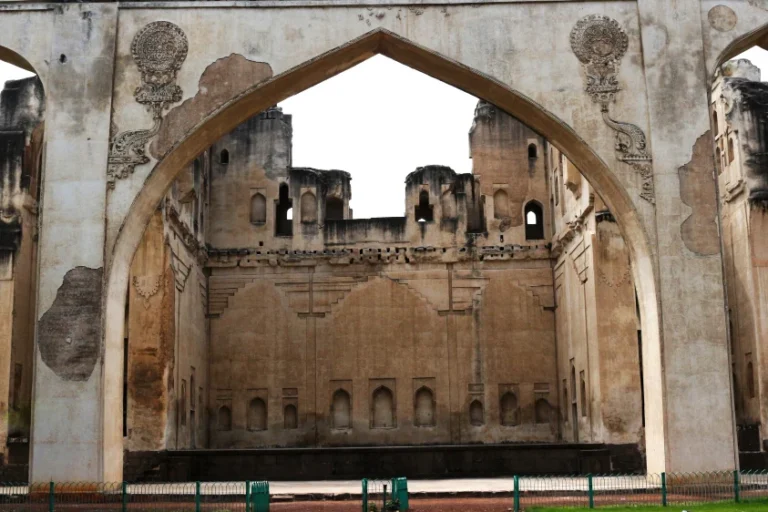
India’s landscape is dotted with timeless palaces, forts, havelis, and colonial-era buildings, each a silent storyteller of dynasties, trade, culture, and community life. Yet, many of these architectural gems lie abandoned, neglected, or on the verge of collapse. Preserving them is vital, but preservation alone isn’t enough. For heritage to truly live, it must find relevance in the present.
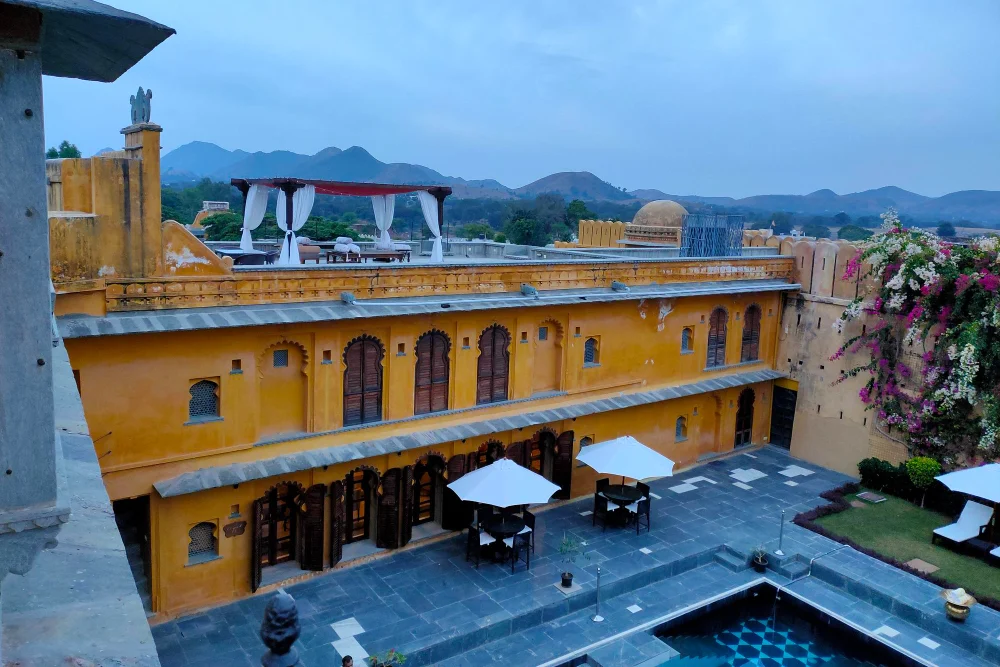
This is where adaptive reuse becomes a transformative practice. By giving heritage structures new functions without erasing their identity, adaptive reuse ensures these spaces remain economically viable, culturally meaningful, and environmentally sustainable. From havelis reborn as boutique hotels to forts transformed into museums, adaptive reuse is reshaping the way India experiences its built heritage.
What Is Adaptive Reuse?
Adaptive reuse is the process of repurposing old buildings for contemporary use while preserving their architectural and cultural essence. Instead of demolishing and rebuilding, adaptive reuse honors the historic fabric, often combining traditional craftsmanship with modern design.
Globally, it’s been a powerful conservation strategy: warehouses in London turned into art galleries, mills in the U.S. reborn as lofts, or railway stations in Europe transformed into cultural centers. In India, the practice takes on added importance because of our living heritage tradition, buildings are not static relics but living environments embedded in community, religion, and daily life.
Why Adaptive Reuse Matters for India
1. Preservation of Heritage Fabric
Heritage structures are irreplaceable. Adaptive reuse ensures that, stone by stone, fresco by fresco, these cultural assets survive while gaining a role in the modern economy.
2. Economic Sustainability
Simply conserving a fort or haveli without function can be financially draining. But transform it into a hotel, museum, or cultural hub, and the building begins to generate revenue for maintenance and community livelihoods.
3. Environmental Responsibility
Adaptive reuse is inherently sustainable. By reusing materials and structures it reduces the carbon footprint compared to new construction. This aligns with global climate action goals for sustainable urban development.
4. Tourism & Cultural Identity
Adaptive reuse strengthens cultural tourism. Visitors don’t just see a monument; they experience living heritage — dining in a haveli courtyard, staying in a palace, or attending a festival in a restored fort.
Examples of Adaptive Reuse in India
Shekhawati Havelis – From Decay to Boutique Hotels
The Shekhawati region in Rajasthan is known for its grand fresco-painted havelis. Many fell into disuse as families migrated. Through adaptive reuse, several havelis have been converted into heritage hotels and museums. Guests now stay amidst frescoes, courtyards, and jharokhas, ensuring the structures are maintained and celebrated.
Neemrana Fort-Palace – The Pioneer
Perhaps India’s most famous example, Neemrana Fort in Rajasthan, was transformed into a heritage hotel in the 1980s. This project demonstrated that private investment in adaptive reuse can revive abandoned heritage and create thriving tourist destinations.
Forts of Rajasthan – Living Heritage Hotels
Dozens of forts across Rajasthan, including Khimsar, Rohet Garh, and Deogarh, have embraced adaptive reuse. They now offer immersive experiences — staying in royal suites, attending cultural evenings, or exploring fort walls at dawn.
Colonial Structures – From Clubs to Cultural Spaces
Cities like Kolkata and Mumbai have seen adaptive reuse of colonial clubs, warehouses, and railway buildings, converting them into cultural venues, galleries, and offices, without stripping away their old-world charm.
Challenges of Adaptive Reuse
While the benefits are clear, adaptive reuse in India faces several challenges:
- Balancing Authenticity with Functionality – How much can you change without compromising heritage value? Adding plumbing, HVAC systems, or lifts to a centuries-old haveli requires extreme sensitivity.
- Regulatory Frameworks – Many heritage structures are protected under ASI or state laws. Permissions for modifications can be complex and time-consuming.
- Funding & Investment – Adaptive reuse often requires high upfront investment. Private owners of havelis or palaces may struggle to fund conservation without government or institutional support.
- Community Buy-In – Heritage isn’t just about buildings; it’s about people. Adaptive reuse must respect local traditions, community values, and living practices.
BHCA’s Role in Adaptive Reuse
At Built Heritage Conservation Architects (BHCA), adaptive reuse isn’t just a service — it’s a philosophy. We believe heritage must be lived, not locked away.
Our projects demonstrate how adaptive reuse can bring historic spaces into the present:
- Shekhawati Havelis, Churi Ajitgarh (Rajasthan) – Transformed into a heritage hotel and museum space, while preserving frescoes and courtyards.
- Braj Region, Mathura-Vrindavan – Development plans that integrate heritage with tourism, ensuring temples and samadhis remain active cultural nodes.
- Fort Precincts in Rajasthan – Reimagined with visitor facilities, interpretive spaces, and cultural programming.
Each project balances authentic conservation (lime plaster, stone masonry, fresco restoration) with contemporary needs (hospitality, tourism, visitor services).
The Future of Adaptive Reuse in India
India’s adaptive reuse movement is only at the beginning. With thousands of unprotected havelis, forts, and colonial-era buildings across the country, the opportunities are immense.
- Heritage Hotels – Growing global interest in immersive cultural travel ensures heritage hotels will thrive.
- Creative Cultural Spaces – Old warehouses, mills, and railway yards can become art districts, theaters, or innovation hubs.
- Urban Heritage – Adaptive reuse in historic cities can revive traditional markets, stepwells, and ghats as public spaces.
- Sustainable Development – As climate concerns grow, adaptive reuse will be recognized as one of the most sustainable approaches to urban growth.
Conclusion: Living With Heritage
Adaptive reuse is not just an architectural intervention; it is a cultural responsibility. By transforming old structures into hotels, museums, cultural hubs, or even community spaces, India can ensure that heritage is not only preserved but also celebrated as a living part of modern life.
The palace that becomes a hotel, the haveli that turns into a museum, or the fort that reopens as a cultural hub, each is a story of continuity, resilience, and respect.
At BHCA, our mission is simple:
to honor the past while making it a vibrant part of the present.