Project Overview
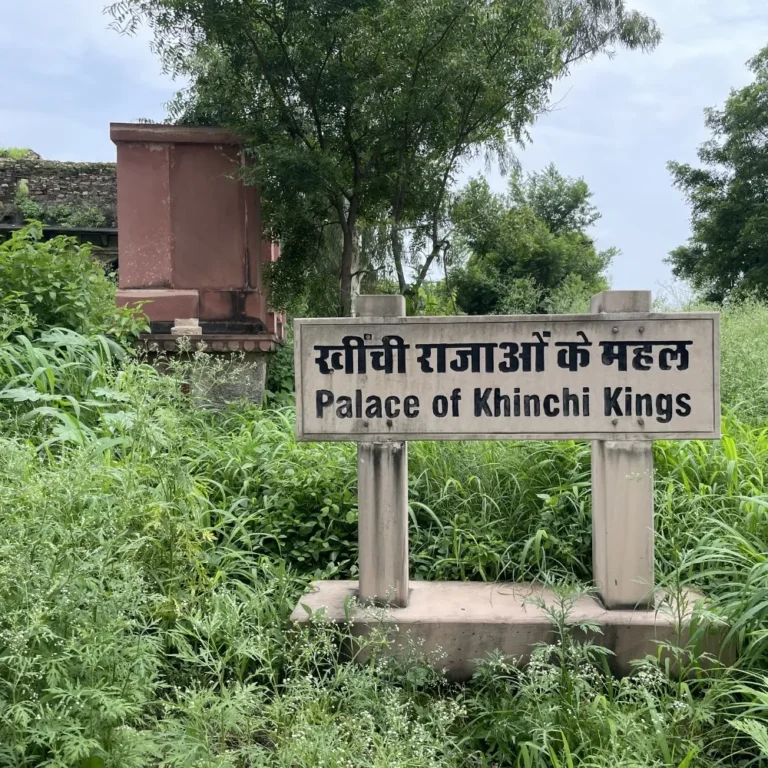
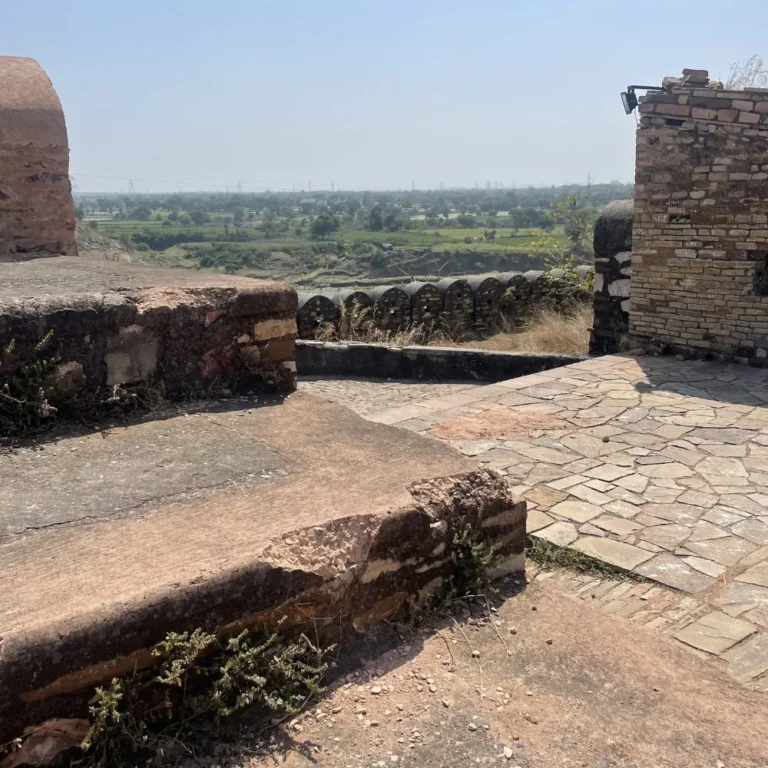
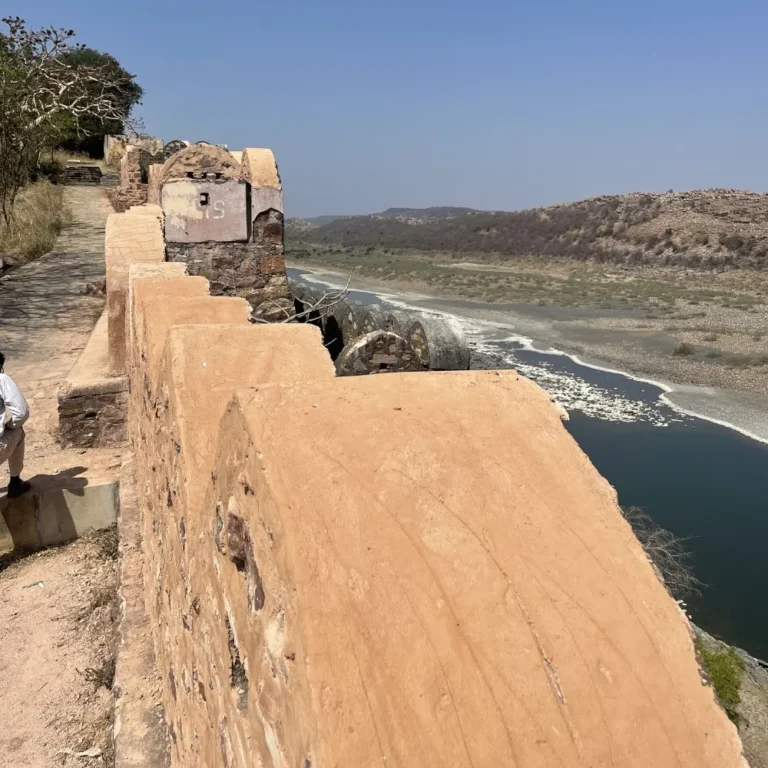
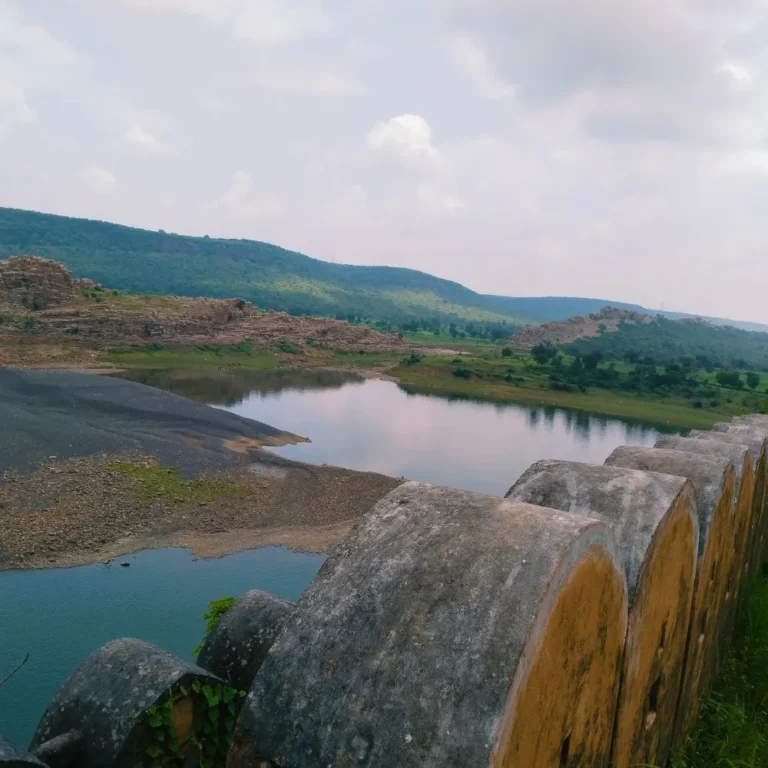
This project focuses on the preparation of Initial Project Reports (IPRs) for the conservation and site development of Gagron Fort, a historically significant water fort characterized by its unique setting at the confluence of rivers and its layered architectural fabric. The scope of work aims to establish a comprehensive and strategic framework for conservation, including identification of critical areas of intervention, prioritization of works, and formulation of preliminary design proposals. The project also integrates site planning strategies to improve accessibility, visitor management, and overall interpretation of the monument, supported by indicative cost estimates for phased implementation.
Role, Responsibilities & Outcome
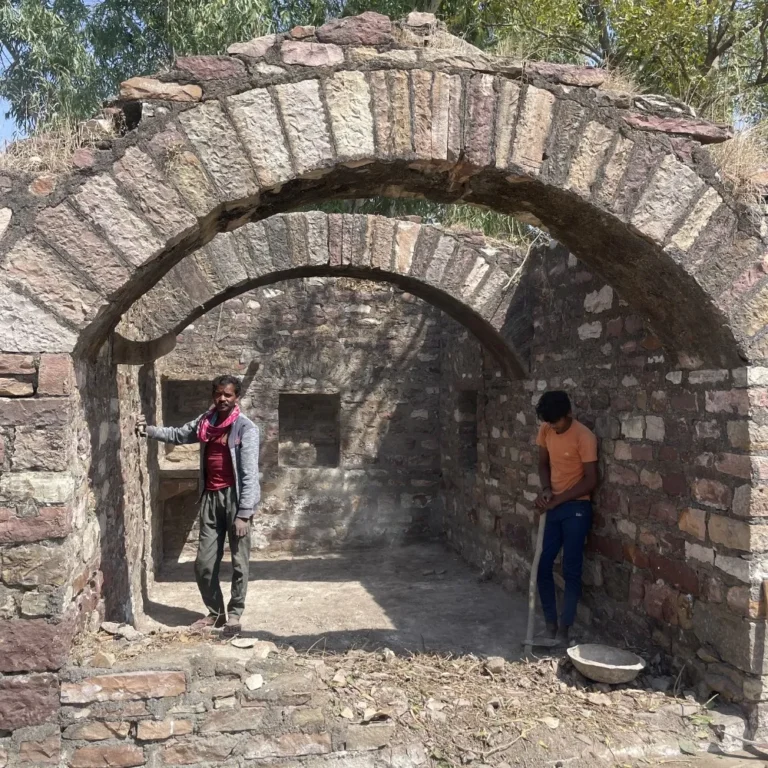
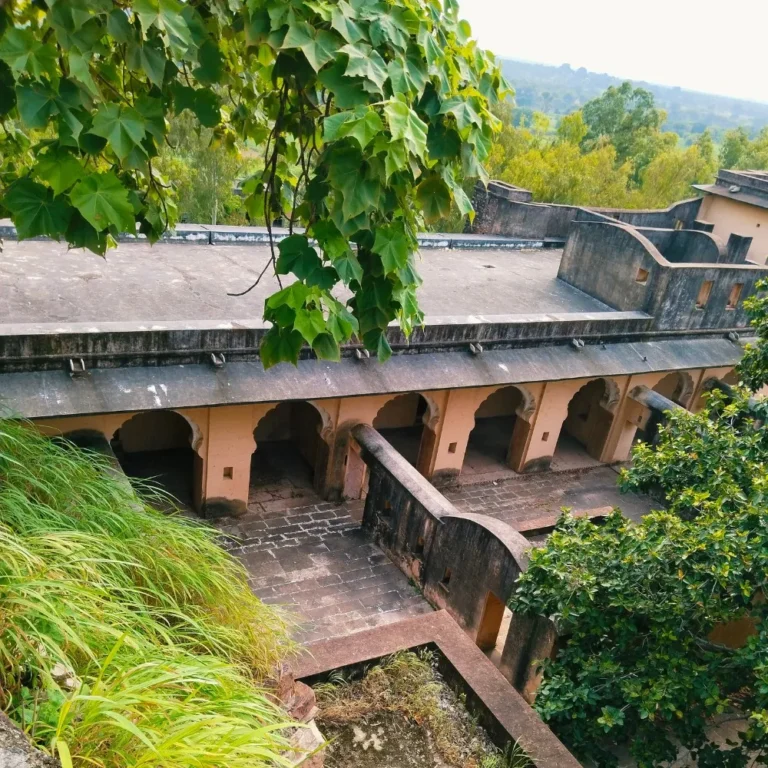
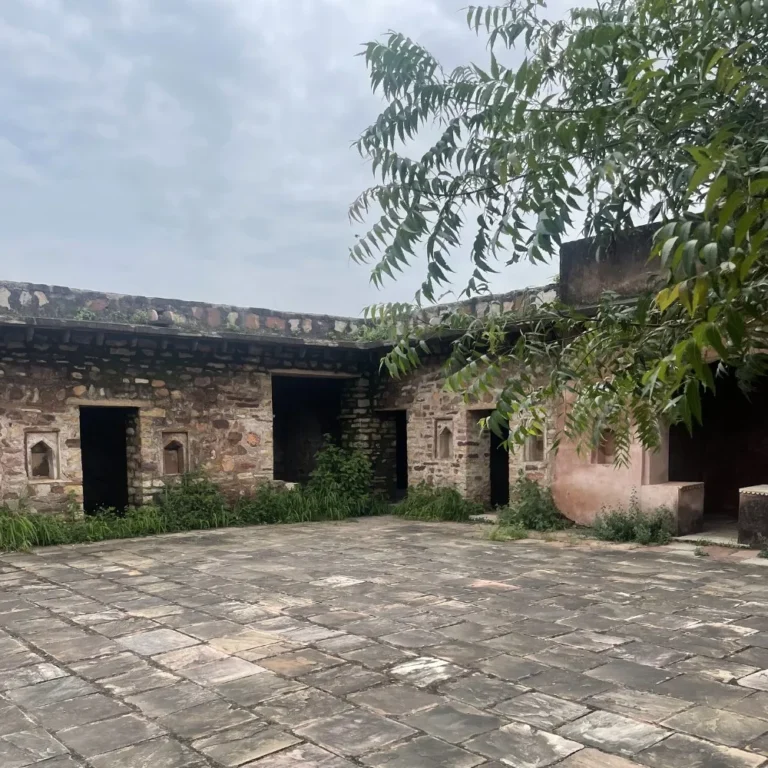
As Heritage Team Lead, the role involved leading a multidisciplinary approach to documentation, assessment, and preliminary planning for the fort complex. Detailed architectural documentation was carried out to record the spatial configuration, construction techniques, and material palette of the structure. This was complemented by the identification and differentiation of historic and later interventions to understand the evolution of the fort over time.
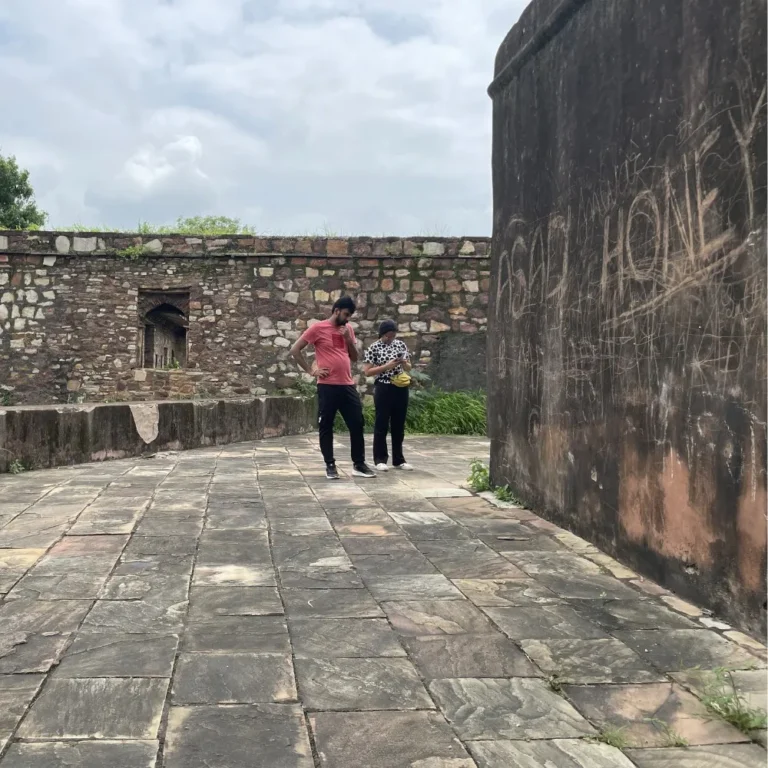
Comprehensive condition assessment and mapping were undertaken to document structural distress, material deterioration, and surface degradation, including issues such as masonry displacement, weathering, vegetation growth, and damage to architectural elements. Coordination with structural experts facilitated on-site investigations and informed the understanding of stability concerns and risk-prone areas.
Historical research and review of archival sources supported the interpretation of the site’s cultural significance and guided the conservation approach. Based on the findings, conservation priorities were established, and preliminary strategies were developed focusing on structural stabilization, material conservation, and protection of significant architectural features.
In addition to conservation planning, the project also addressed site development aspects, including circulation planning, basic visitor infrastructure, and strategies for enhancing the legibility of the site without compromising its heritage value. Indicative cost estimates and phased implementation frameworks were prepared to support decision-making and funding allocation.
The outcome of this work established a well-informed and structured foundation for future conservation interventions, enabling a balanced approach towards preservation, site management, and sustainable public engagement with the heritage asset.